Improve visibility, accountability, planning, production tracking, customer communication, and workflow execution through practical manufacturing systems, automation, and process control frameworks.
Hands-on experience across Store, Planning, Purchase, Production, Quality, Dispatch, and Process Control operations.
Designing structured workflows that improve visibility, accountability, and department coordination.
Building practical systems that standardize operations and reduce dependency on manual follow-ups.
Applying automation and AI to streamline reporting, communication, tracking, and decision-making.
Developing workflow automation, dashboards, and business tools using Google Workspace technologies.
Creating custom portals, workflow platforms, and operational applications for manufacturing businesses.

Ahmed Arshi is a Manufacturing Process Control Professional with 7+ years of experience across Store Management, Material Planning, Production Planning, Quality Processes, WIP Tracking, Dispatch Operations, MIS Reporting, and Process Control.
Having worked closely with real manufacturing operations, he developed a deep understanding of how information flows from customer requirements to production execution and final dispatch.
Rather than taking a software-first approach, Ahmed focuses on solving operational challenges through practical workflows, automation, and process-driven systems.
This experience led to the creation of Processwallah, an initiative dedicated to improving visibility, accountability, and operational efficiency through workflow automation, smart dashboards, customer portals, reporting solutions, and AI-integrated business applications.
The best systems are not always the most expensive ones — they are the ones people actually use, understand, and benefit from every day.
Processwallah was created from a simple observation.
Manufacturing teams work hard, but critical information often becomes scattered across calls, WhatsApp messages, spreadsheets, and manual follow-ups.
The result is delayed decisions, reduced visibility, weak accountability, and constant coordination challenges between departments.
Processwallah bridges this gap through structured workflows, process control systems, automation, and practical digital solutions designed around real manufacturing operations.
"Sustainable operational improvement comes from better processes—not just better software."
Bespoke functional frameworks designed around factory operations. These are real manufacturing workflow frameworks and operational systems designed to solve practical business problems.
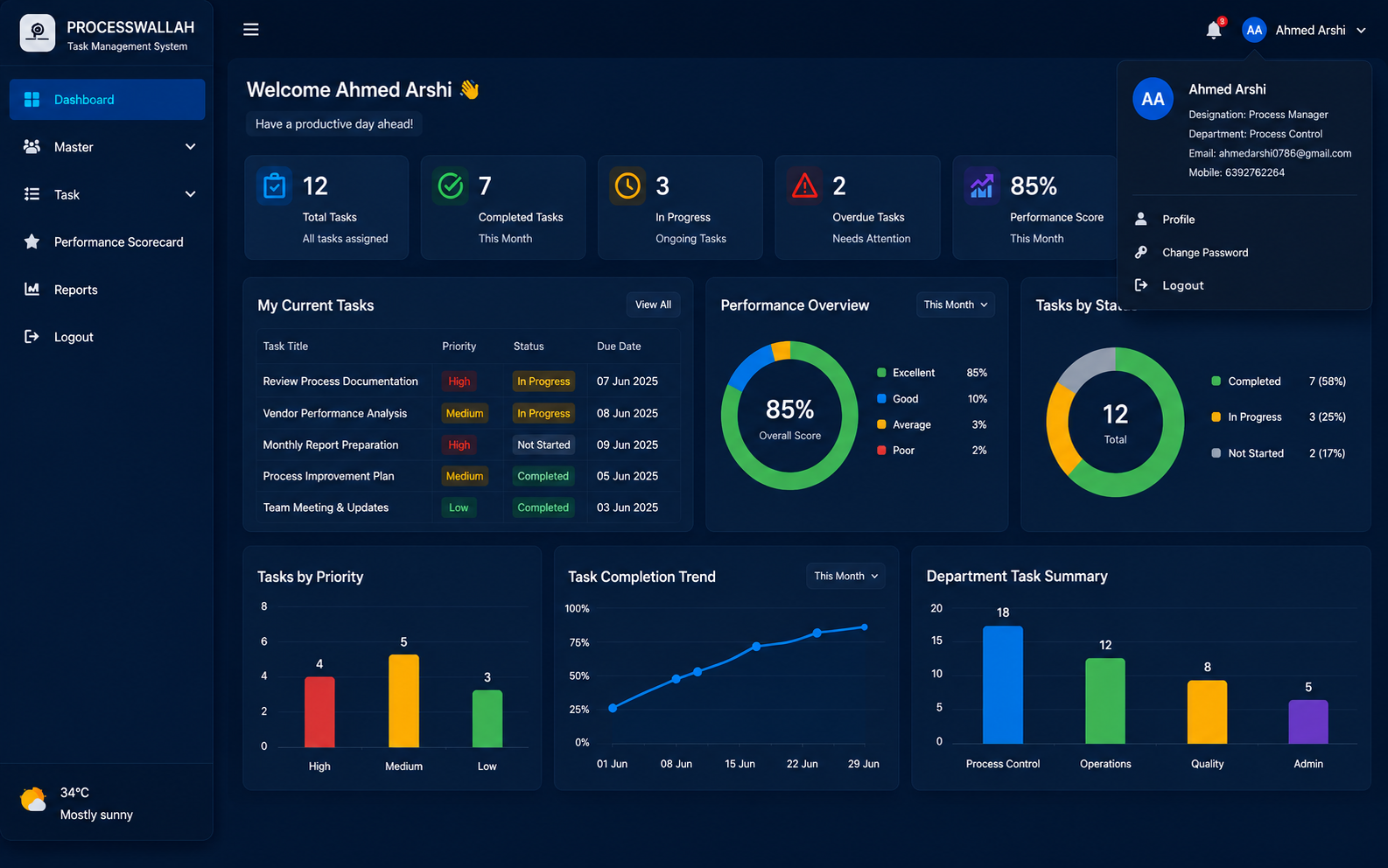
A deep dive into how a centralized workflow platform replaced manual updates and improved operational efficiency.
Departments and team leads were managing floor tasks, tooling changes, and maintenance requests through phone calls, meetings, and WhatsApp messages. This unmonitored communication led to delays, miscommunication, lack of clear accountability, and dispute management problems.
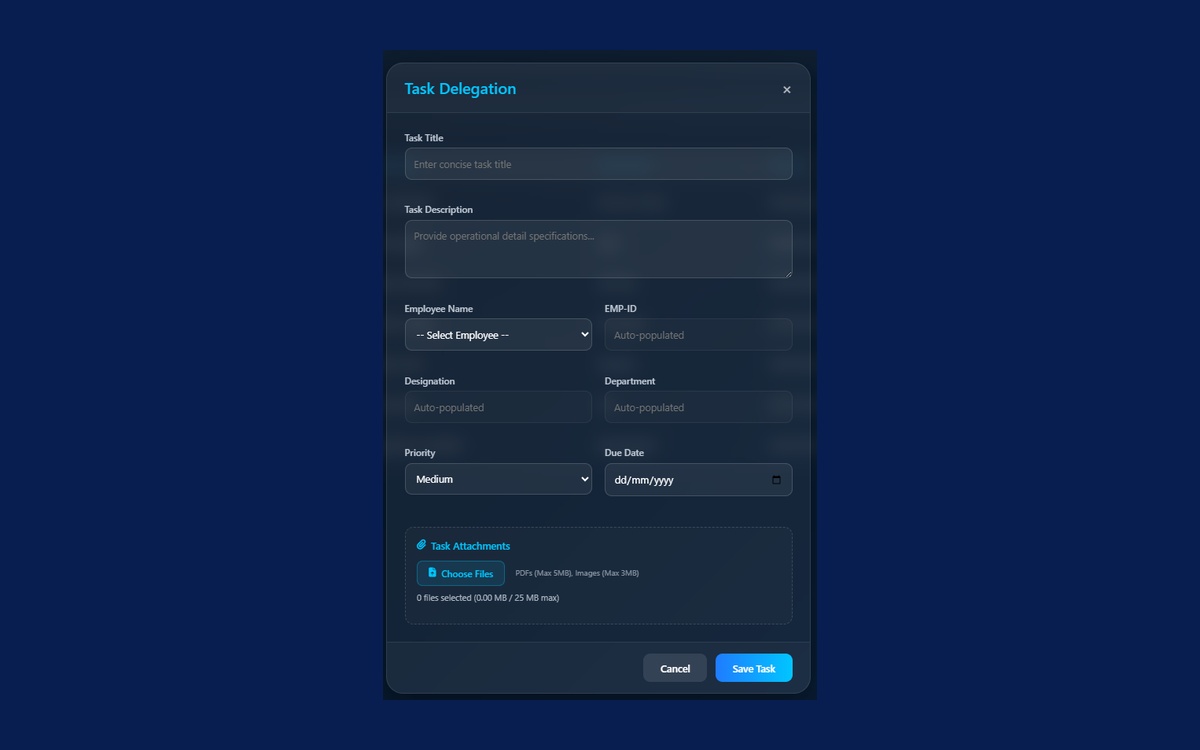
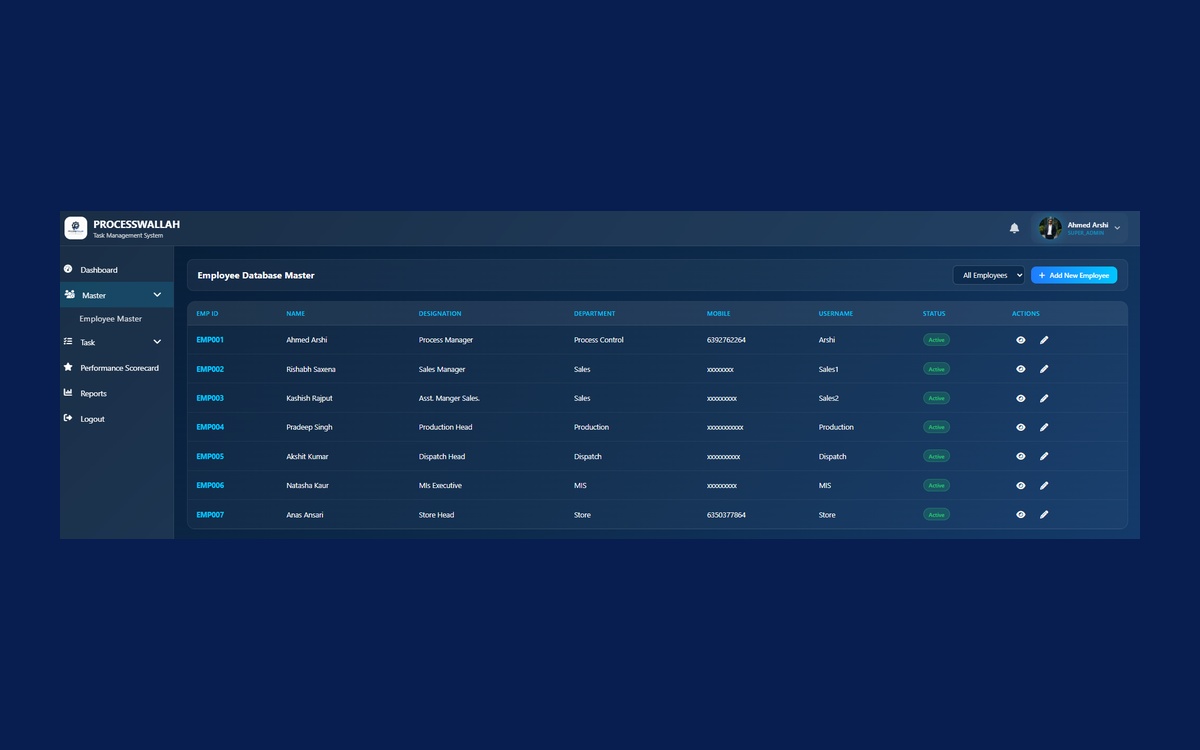
We designed and implemented a centralized, web-based task management platform. Built to function on simple floor terminals, the tool tracks operational ownership, enforces specific due dates, records live progress logs, and organizes blueprint attachments directly on the active task cards.
Established a single, reliable source of truth across all shift operations. Managers have full visibility of active bottleneck states, preventing delayed orders and improving team coordination.
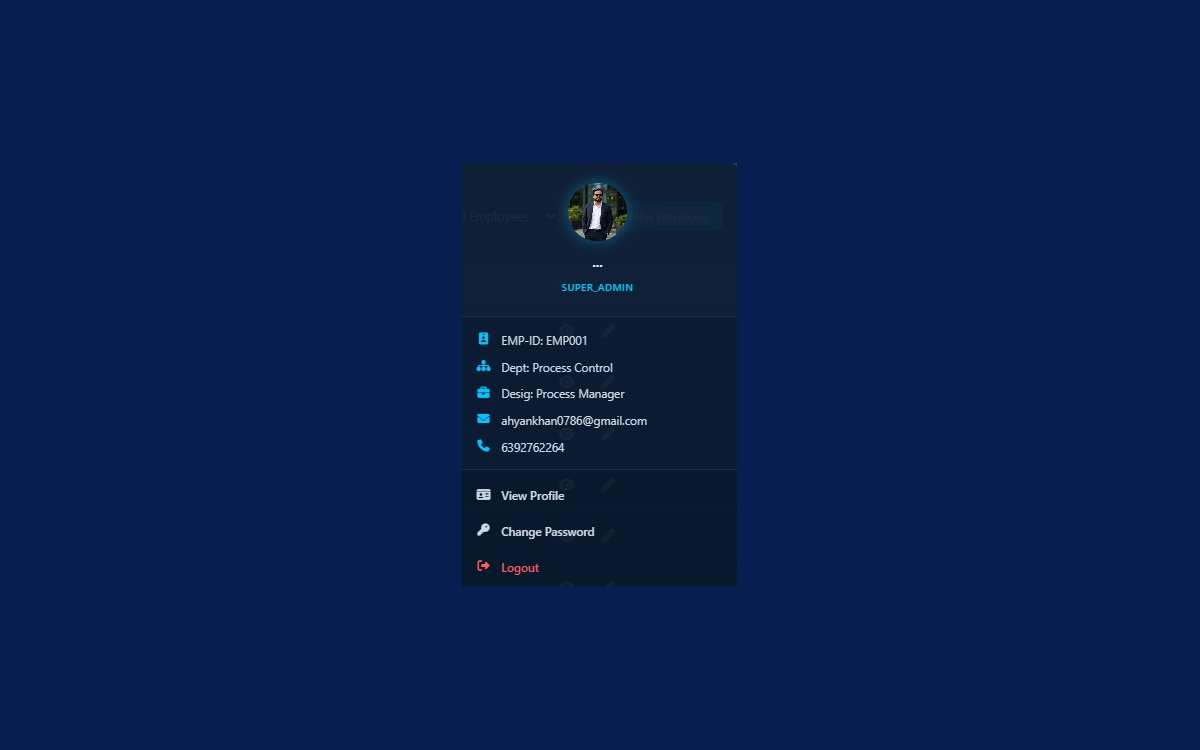
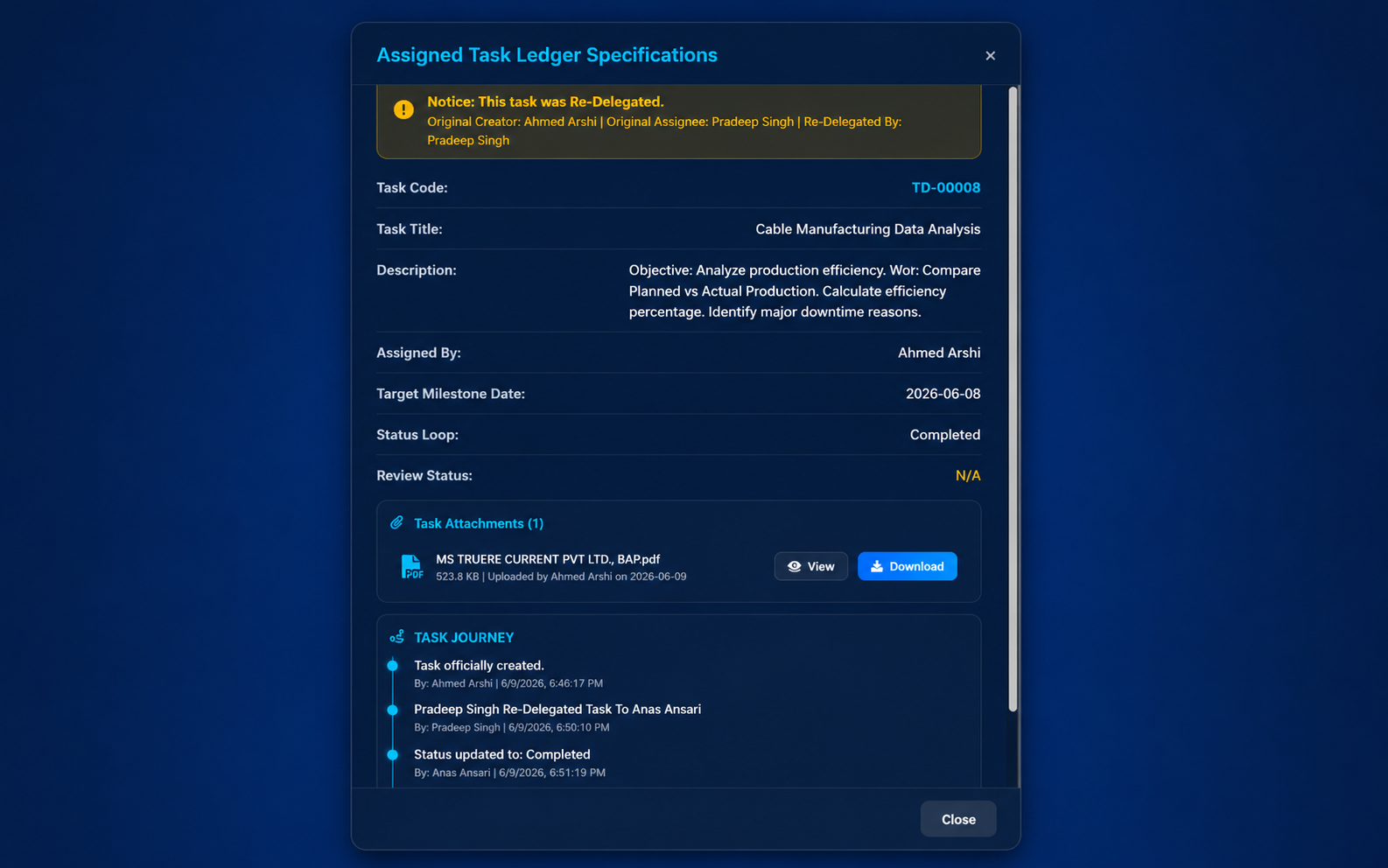
Transitioning your floor from chaotic manual follow-ups to systematic tracking and visibility.
Practical workflow engineering for businesses facing operational bottlenecks and manual coordination challenges.
Standardizing information handoffs and tracking raw material movements through different departments.
Coordinating engineering designs, fabrication schedules, store availability, and electrical wiring assembly checks.
Managing raw material testing, coil winding logs, assembly stages, and final test reports in a unified database.
Tracking long production cycles and complex multi-level Bills of Materials to maintain delivery schedules.
Establishing lightweight tracking systems that improve operational visibility without excessive licensing costs.
Scaling operations systematically by replacing verbal follow-ups with structured process controls.
Practical engineering to help you transition from manual dependencies to systematic operations.
Automating coordinate pipelines and material transitions between different production zones.
Integrating physical and digital checkpoints to catch defects early and maintain assembly quality.
Developing live production dashboards that pull real-time data from floor logs and tracking sheets.
Developing custom web databases when standard spreadsheet systems reach their scaling limits.
Applying intelligence models to automate data extraction from bills of materials and supplier invoices.
Working directly with manufacturing owners to select appropriate software, plan modernization, and guide teams.
Discuss your floor processes with a professional who understands manufacturing. We will map your current bottlenecks and explore opportunities to replace manual tracking steps with practical systems.
We discuss physical operations, material planning, and actual data gaps, not subscription licenses.
Receive a clear system layout outlining how to link your shop floor inputs with tracking databases.